Compare HCE208 and HCE210 NTP Clock Servers
Use this product-range comparison to shortlist a server series. HCE208 starts with one NTP port; HCE210 provides six Gigabit interfaces and additional redundancy choices. Compare the differences here, then open the selected model’s detailed specification.
Choose your NTP clock server.
The cards summarise the two platforms. The matrix below separates their standard hardware from the options that affect a purchasing comparison.
HCE208 NTP Clock Server
A focused solution for single-port and isolated dual-port projects.
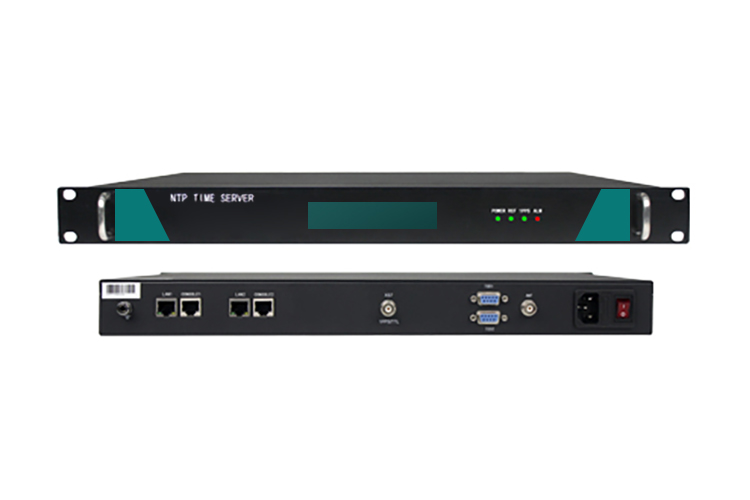
Shortlist HCE208 for the single-port starting configuration, isolated dual-port option or Mini enclosure. Its product page contains the exact codes and electrical specifications.
- Optional dual physically isolated NTP Ethernet ports
- Optional OCXO holdover clock
- 1PPS and serial time-code outputs
- Optional PTP, IRIG-B and 10 MHz modules
HCE210 NTP Clock Server
Six Gigabit connections with more availability options.
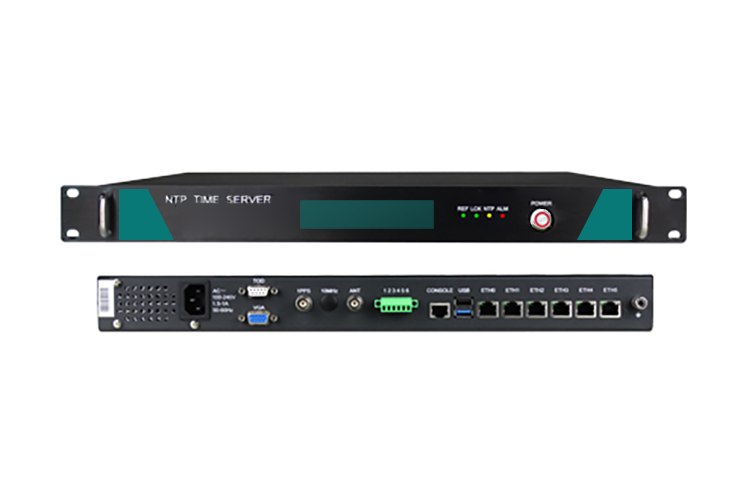
Shortlist HCE210 when six Gigabit connections or its availability features are part of the requirement. Compare the oscillator and power choices on the model page before specifying a build.
- Network bonding for port failover and load balancing
- Two-server hot standby with a shared virtual IP
- Optional OCXO or rubidium holdover clock
- Optional redundant power, PTP, IRIG-B and 10 MHz
HCE208 vs HCE210.
This is the site’s side-by-side model matrix. Use a row to identify a decisive difference; follow the model links for the supporting technical data.
| Selection point | HCE208 | HCE210 |
|---|---|---|
| Standard NTP ports | 1 × 10/100 Mbps Ethernet | 6 × 10/100/1000 Mbps Ethernet |
| NTP requests per port | >2,000 requests/s | ≥14,000 requests/s |
| Network configuration | Optional dual physically isolated NTP Ethernet ports | Network bonding for port failover and load balancing |
| Internal holdover clock | Optional OCXO | Optional OCXO or rubidium atomic clock |
| Availability features | Priority-based reference-source switching | Reference-source switching, two-server hot standby and optional redundant power supplies |
| Standard timing outputs | 1 × 1PPS; 2 × TOD serial ports on the base rackmount configuration | 1 × 1PPS; 1 × TOD serial port |
| Optional timing modules | PTP, IRIG-B and 10 MHz | PTP, IRIG-B and 10 MHz |
| Enclosure choices | 1U rackmount; separate DC-powered Mini desktop variant | 1U or 2U, depending on configuration |
| Detailed specifications | Explore HCE208 specifications → | Explore HCE210 specifications → |
Request rates are per-port datasheet figures. Confirm the expected client load, polling interval and option combination for your project. Two-server hot standby requires two units. Mini-model interfaces and dimensions should be confirmed separately.
Find the deciding row.
One, two or six ports?
The port rows distinguish the HCE208 starting configuration and 2N option from the HCE210 platform. A CONSOLE socket is a management connection, so it should not be counted as an NTP port.
Return to the port rows →Which failure is being addressed?
Physical port separation, bonding, dedicated holdover, redundant power and a second server are different choices. Identify the required feature before comparing complete configurations.
Review HCE210 availability features →Desktop or equipment rack?
The Mini is an HCE208 variant. HCE210 is listed with 1U and 2U enclosures, subject to the selected build. Match the physical format before comparing additional modules.
Check the HCE208 variants →Take the next question to the right page.
Questions about the comparison.
Should I select HCE210 simply because it has more ports?
Compare the required features first. A single-port or desktop requirement may point to HCE208, while six Gigabit interfaces, bonding or paired standby point toward HCE210. The larger port count alone does not establish the best fit.
How should two quotations be compared?
Align the receiver, dedicated clock, power supplies, output modules, enclosure and accessories in each quotation. Comparing only the series names can hide a difference in what is actually included.
Where are the complete option codes?
Each model page contains its own reference-source, clock, power and output code tables. Use those detailed lists after the range comparison has narrowed the platform choice.
Need help with the shortlist?
Tell us which comparison rows are still unresolved. Mention the candidate model or configuration so the discussion can focus on the choice that remains.
- The two configurations being considered
- The hardware difference that affects the decision
- Any mandatory option missing from the shortlist
- Requested quantity for the selected combination
For an existing order or a general business enquiry, use the Contact page.